
In 2001, campus was on its way to becoming a small city.
The university had developed Hampton Place in the 1980s, and UBC was planning additional residential neighbourhoods in what became Hawthorn Place, Chancellor Place, and Wesbrook Place.
The emerging city would have a lot in common with other municipalities: roads, sewers, parks, community centres. But there was a crucial difference. UBC owned and managed all of the land, which was not part of Vancouver or any other municipality. Twenty-five years ago, the university and some engaged residents, led by Jim Taylor, created the University Neighbourhoods Association (UNA) to manage the rapidly growing city.
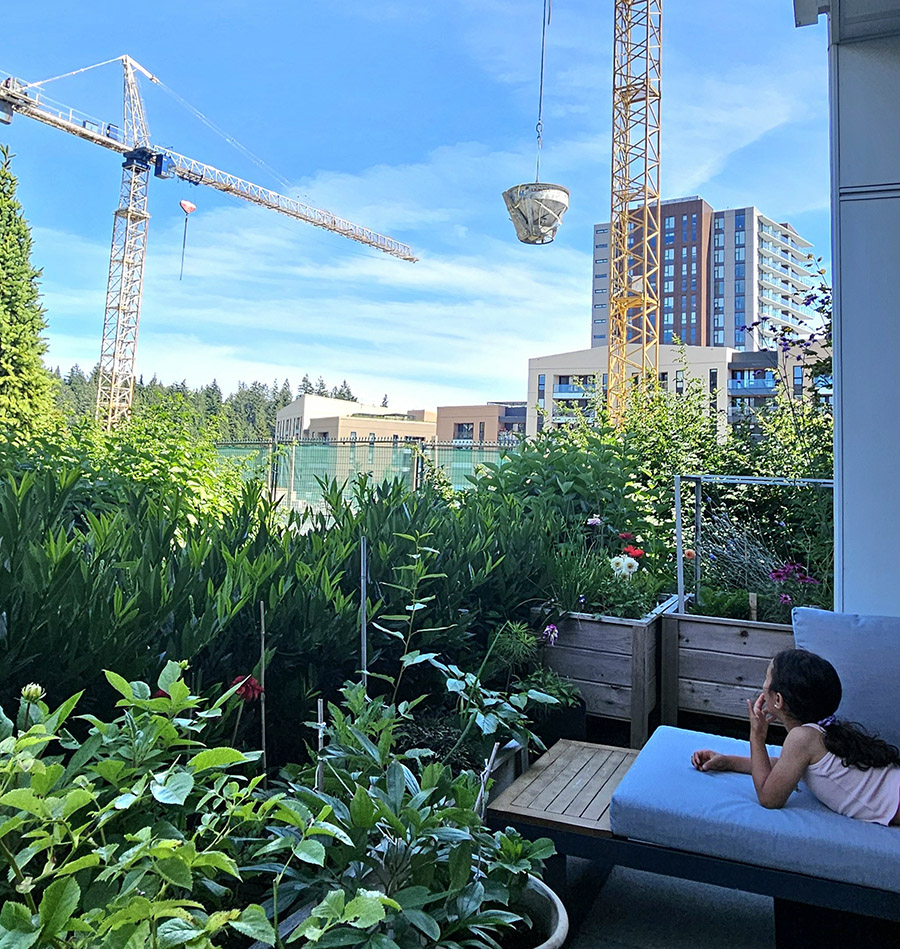
A lot has happened since then, not least being a five-fold increase in population in the neighbourhoods. There are now two community centres, a significant commercial district in Wesbrook Village, close to a dozen parks and greenways, playing fields, and an extensive public realm of sidewalks, trees, and gardens.
The UNA began as an appointed board, tasked by UBC with assisting the university in managing the neighbourhoods. But the UNA’s responsibilities have grown along with the neighbourhoods and their increasingly complex operational needs.
The 2008 Neighbours Agreement gave the UNA a direct role in managing the public realm, including the new Old Barn Community Centre. In 2020, the UNA introduced a fully-elected board, completing a transition to both managing public assets and representing residents with UBC and the Province. Since then, the UNA has functioned more like a municipality, with elected directors and professional management (including a Chief Administrative Officer, similar to a city manager elsewhere).

But the UNA is still unique in many ways. It’s the only hybrid university-municipality in British Columbia and one of the few in North America. While it keeps infrastructure reserves, maintains public assets, and engages in long-term planning like other municipalities, it does so in close collaboration with UBC, which retains the ultimate authority over land use and planning.
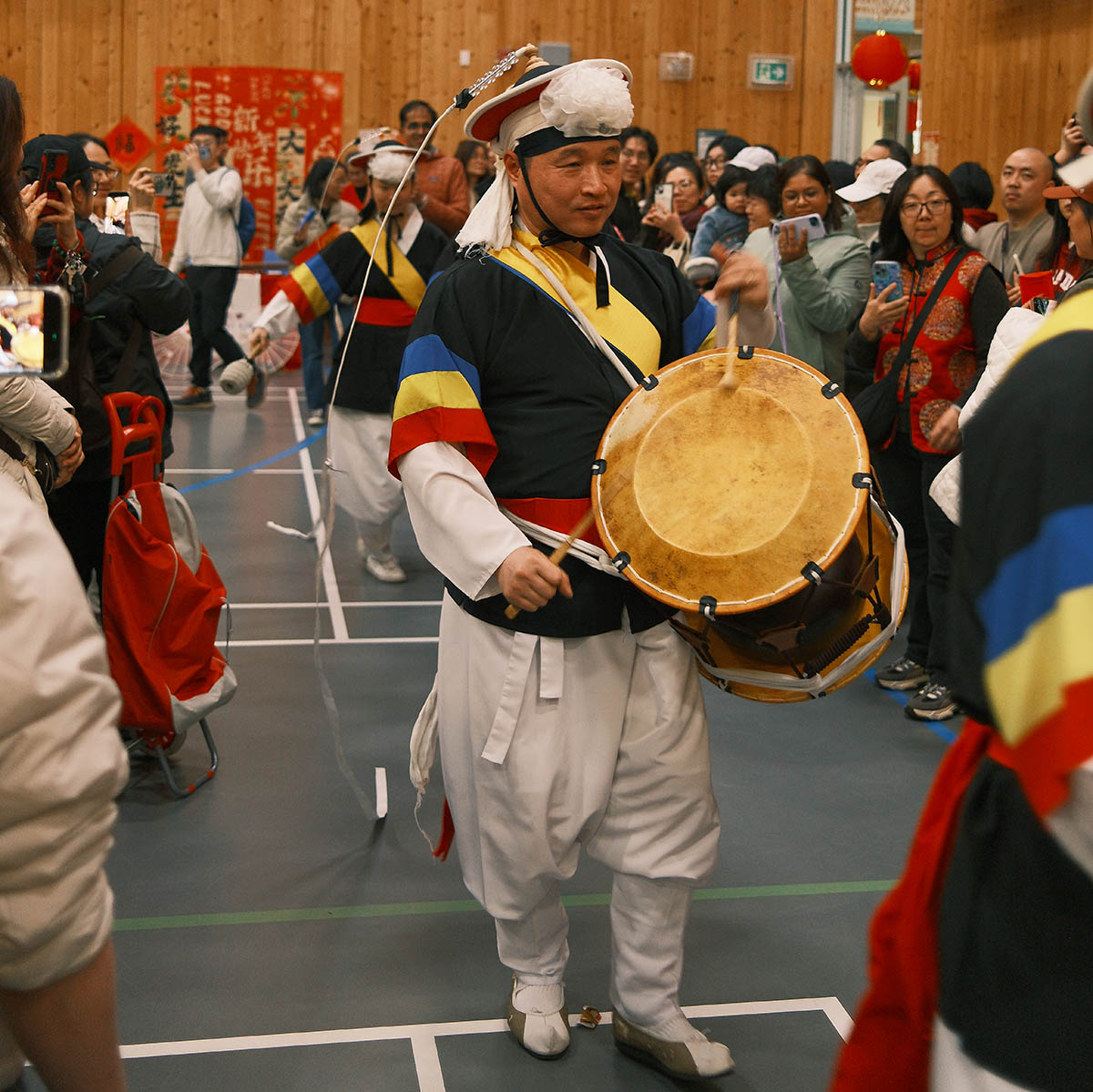
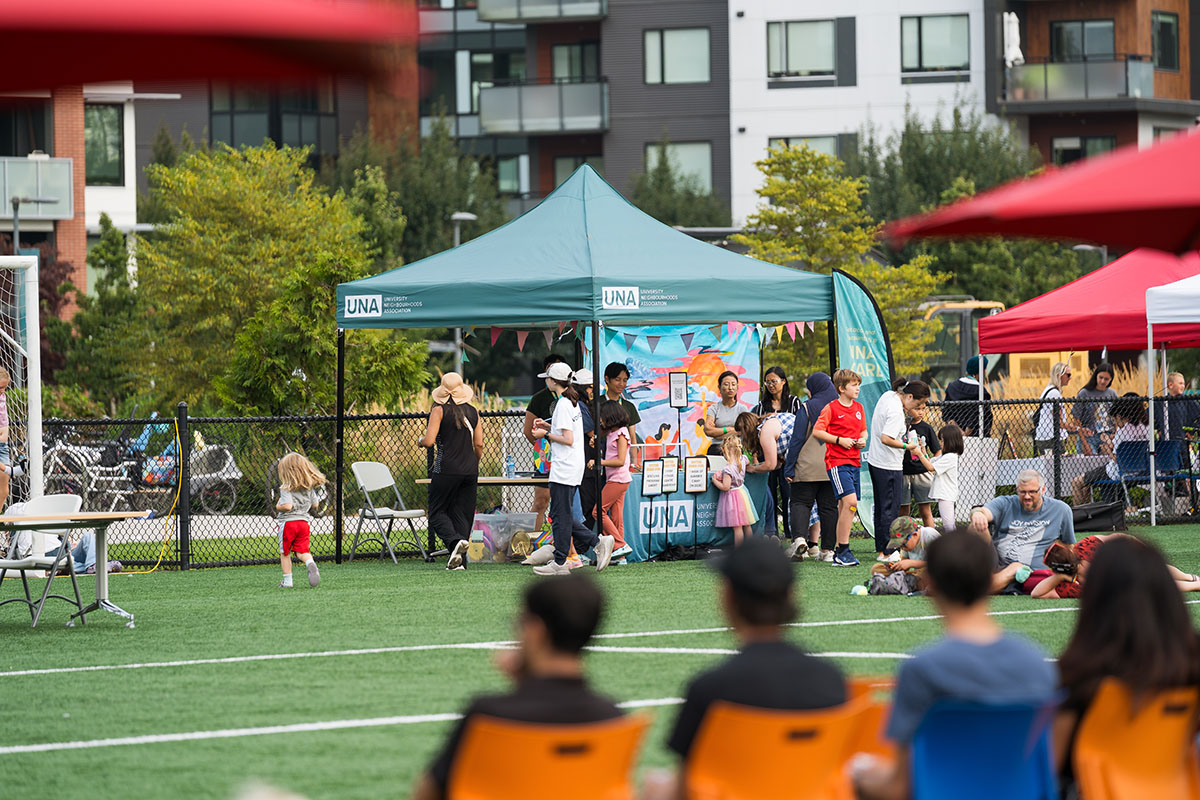
The UNA has also substantially increased its role in promoting connection and well-being in the neighbourhoods. It has sponsored a community newspaper since 2010, and it runs extensive public programming for residents of all ages and backgrounds. Resident volunteers play an essential role in all these civic initiatives.
This is, to me, the single greatest achievement of the past 25 years of the UNA: getting residents involved in building and running our unique city.
EAGLE GLASSHEIM IS THE CHAIR OF THE UNIVERSITY NEIGHBOURHOODS ASSOCIATION AND A PROFESSOR OF HISTORY AT UBC.