
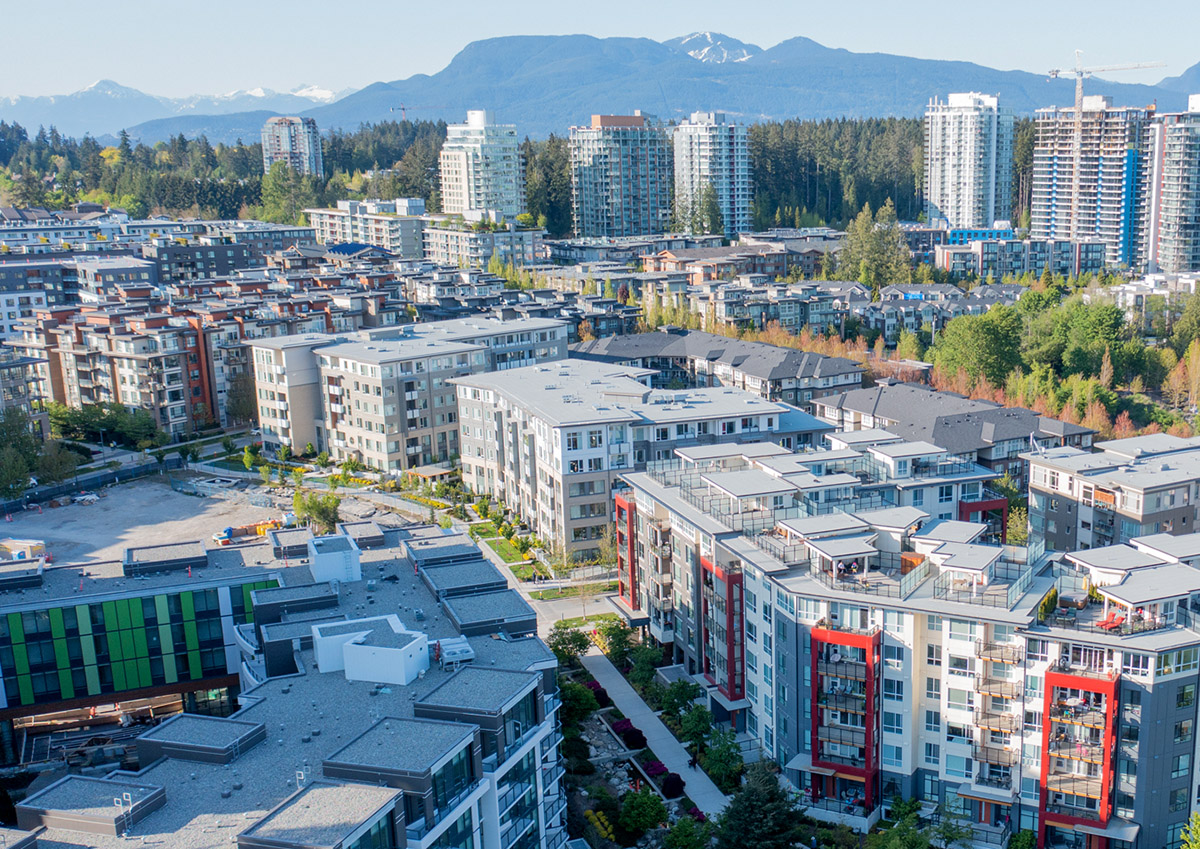
When I moved into the Hawthorn Place neighbourhood in 2006, I had little idea that I was moving into one of the more unusual communities in British Columbia.
The University Neighbourhoods Association (UNA) was still a young organization, and I had little understanding of the relationship between UBC, the UNA and our neighbourhood. Roads, parks and public spaces were taking shape in Hawthorn, and the Old Barn Community Centre was under construction. It felt as though we were part of a brand-new neighbourhood. Yet there was no mayor or municipal council. UBC owned the land, and I soon learned that the UNA was gradually taking on responsibilities that elsewhere would belong to a municipality.
I remember seeing an advertisement for the UNA’s Executive Director position in 2006. My wife even considered applying for the job that eventually went to Jan Fialkowski, but she was a little hesitant: the UNA office was in a portable trailer.
Those modest beginnings say something about how uniquely the UNA developed.
Just over a quarter century ago, UBC Properties Trust was continuing the residential development that had begun with Hampton Place, and it became clear that building homes also meant building community. Residents needed parks, recreation, garbage and recycling services, landscaping and, importantly, a way for their voices to be heard.
A community plan for Electoral Area A and a memorandum of understanding between UBC and the Metro Vancouver Regional District anticipated an organization to help govern the emerging neighbourhoods. The UNA followed, becoming incorporated in 2002. That same year, UBC and the UNA entered into their first Neighbours’ Agreement, establishing a relationship that continues to evolve today.
At the centre of those early years was Jim Taylor. A Hampton Place resident, lawyer and former UBC law professor, Jim became the UNA’s first Chair. UBC credits him with helping establish the innovative model through which residents would receive municipal-like services while developing a representative voice within the university community.
The beginnings were modest—the UNA initially had only one part-time employee—but Jim understood that community was about more than services.
I discovered this personally in 2010 when I met Jim at the Old Barn Community Centre. I wanted to volunteer reading stories to children on Thursday mornings, something Jim himself loved doing. Jim interviewed me and made sure I understood how important it was to show up consistently. I was impressed by his commitment. For Jim, the less tangible things that turn a collection of buildings into a community mattered: recreation, volunteerism, public spaces and, most importantly, relationships between neighbours.
Over the years, the UNA has grown as each new neighbourhood has developed. Having had the privilege of serving as UNA Chair from 2020 to 2025, I am struck by how much has changed since Jim Taylor’s time—and yet how familiar the fundamental questions remain.
In a memorandum to UNA Residents dated January 12, 2007, Jim asked, “How, over this time, ought we govern ourselves day to day?” He described this as an “Operational Governance” issue.
Nearly twenty years later, we are still wrestling with variations of that same question. How do we provide good services? How do we build community among people from remarkably diverse backgrounds?
How do residents have a meaningful voice in decisions affecting the place they call home? And how do we maintain a constructive relationship with UBC while recognizing that the interests of a university and those of its residential community will not always be identical?
Twenty-five years ago, there was no blueprint for answering those questions. Twenty-five years later, the UNA has become an important part of the answer.
Its structures, agreements, and responsibilities matter, but perhaps its most enduring accomplishment is simpler: it has helped thousands of people who came to live on a university campus begin to think of themselves as neighbours—and this remarkable place as home.
RICHARD WATSON IS A CAMPUS RESIDENT AND FORMER UNA DIRECTOR AND BOARD CHAIR.