
The Electoral Area A Director election has been decided by acclamation following the withdrawal of one of the two candidates nominated to run in local elections taking place this month.
Bowen Island resident David Hocking was declared the successful candidate by the Chief Election Officer for Metro Vancouver Regional District following the withdrawal of Brian Savage of Vancouver. As a result, campus residents will only be voting for school trustees during this month’s municipal elections.
Hocking told The Campus Resident he is moving to Wesbrook Place from Bowen Island, where he has served as a municipal councillor and volunteer.
“My lifestyle is to get involved, and I’ve reached out to UNA and University Endowment Lands (UEL) residents to learn about the community and how I could contribute,” he said.
“My career has been broad and varied: a teacher, journalist, environmental consultant, public servant and senior manager in an environmental NGO, a Crown corporation and a private sector company.”
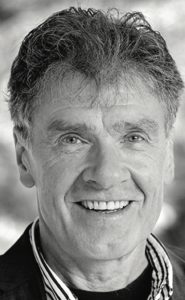
Hocking said he has two decades of experience with Metro Vancouver Regional Council, including as a director, staff manager, consultant, and by serving on five committees, including climate action and Indigenous relations.
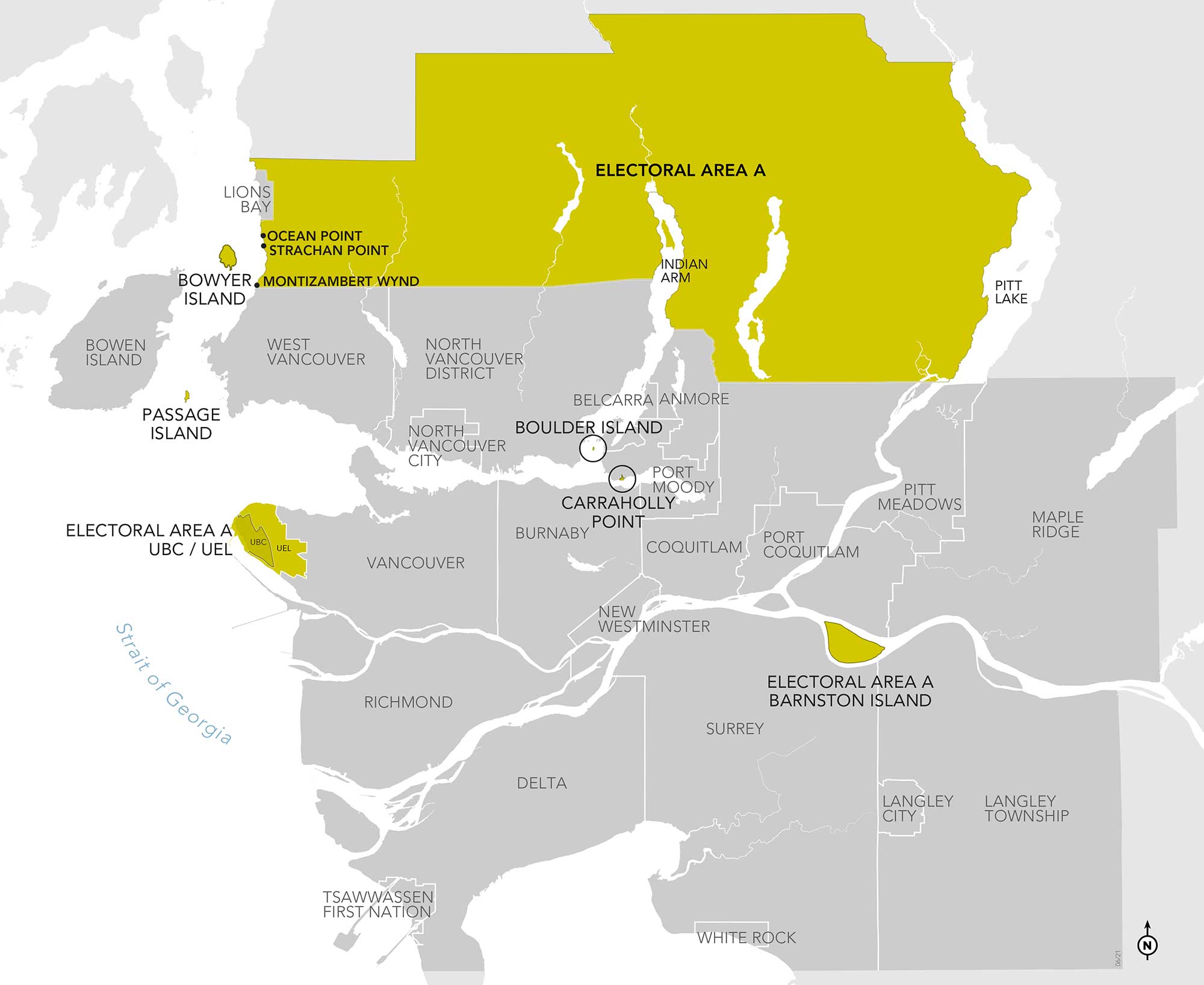
Electoral Area A is an unincorporated region of Metro Vancouver that includes UBC’s Point Grey campus, the UEL, the area between Howe Sound and the west side of Pitt Lake, Carraholly Point and a number of small islands in the surrounding area.
The director role is the area’s only elected representative at the regional level, and sits on the Metro Vancouver Board of Directors and the Mayors’ Council on Regional Transportation, which oversees TransLink. As campus is an unincorporated area of Vancouver, its residents are not entitled to political representation on city council.
Current director Jen McCutcheon has served as director since 2019 and announced earlier this year she will not be seeking re-election. Her term concludes at the end of the month.
Hocking recently held the role of chair of Metro Vancouver’s Electoral Area A Committee, but moved to vice-chair, allowing McCutcheon to assume the top role. He has also served one term on the Mayors’ Council on Regional Transportation.
For the coming term, Hocking said he views housing as an increasingly important issue.
“In its Housing Action Plan, UBC committed to offer faculty and staff housing at about 25 per cent below rents for equivalent units on Vancouver’s West Side, and to expand the eligibility for university rentals to non-UBC staff,” he said. “But many UBC apartments are priced above the West Side average, so I’d urge the (UBC) Board of Governors to meet their commitment.”
He described the director role as a balancing act between serving locally while sitting on a board that oversees issues affecting much of the Lower Mainland.
“They need to represent their communities and address local issues as best they can. But they also debate and vote on region-wide issues, such as land use, water supplies, sewage treatment and climate action,” he said.
“Unfortunately, the current board has slowed earlier commitments on climate action, limiting the ability of local governments to respond to this generational challenge. I will encourage a return to science-based policies and initiatives.”
Hocking said he agrees with McCutcheon’s previous comment to this newspaper that “the Electoral Director does not have direct say in most of the decisions made at the local level.”
“Recognizing this, I would follow the same approach as Director McCutcheon — building positive relationships with key decision-makers to ensure that the needs and concerns of residents are heard,” he said.
Campus residents can vote to elect nine Vancouver School Board trustees as part of this month’s local elections. Advance voting days are scheduled for Oct. 3, 7, 10 and 13, with general voting to take place on Oct. 17. Outside of campus, Vancouverites will be voting for their mayor and 10 city councillors, park commissioners, as well as school board trustees.
As reported previously in The Campus Resident, the municipal political party Vancouver Liberals have proposed incorporating the university neighbourhoods, UBC’s Point Grey campus, and the University Endowment Lands into the City of Vancouver. On Sept. 28, party leader and mayoral hopeful Kareem Allam sent an email to prospective voters promoting the idea. “UBC is one of the beating hearts of Vancouver. It’s an esteemed educational institution, research centre, and economic driver. But it doesn’t get the support from the City or the province that it both needs and deserves,” the email reads.
Also later this month, voters in British Columbia will choose their next provincial government on Oct. 24, two years ahead of schedule, after NDP Leader and Vancouver- Point Grey MLA David Eby called a snap election on Sept. 22.
EMMANUEL SAMOGLOU IS THE MANAGING EDITOR OF THE CAMPUS RESIDENT.