
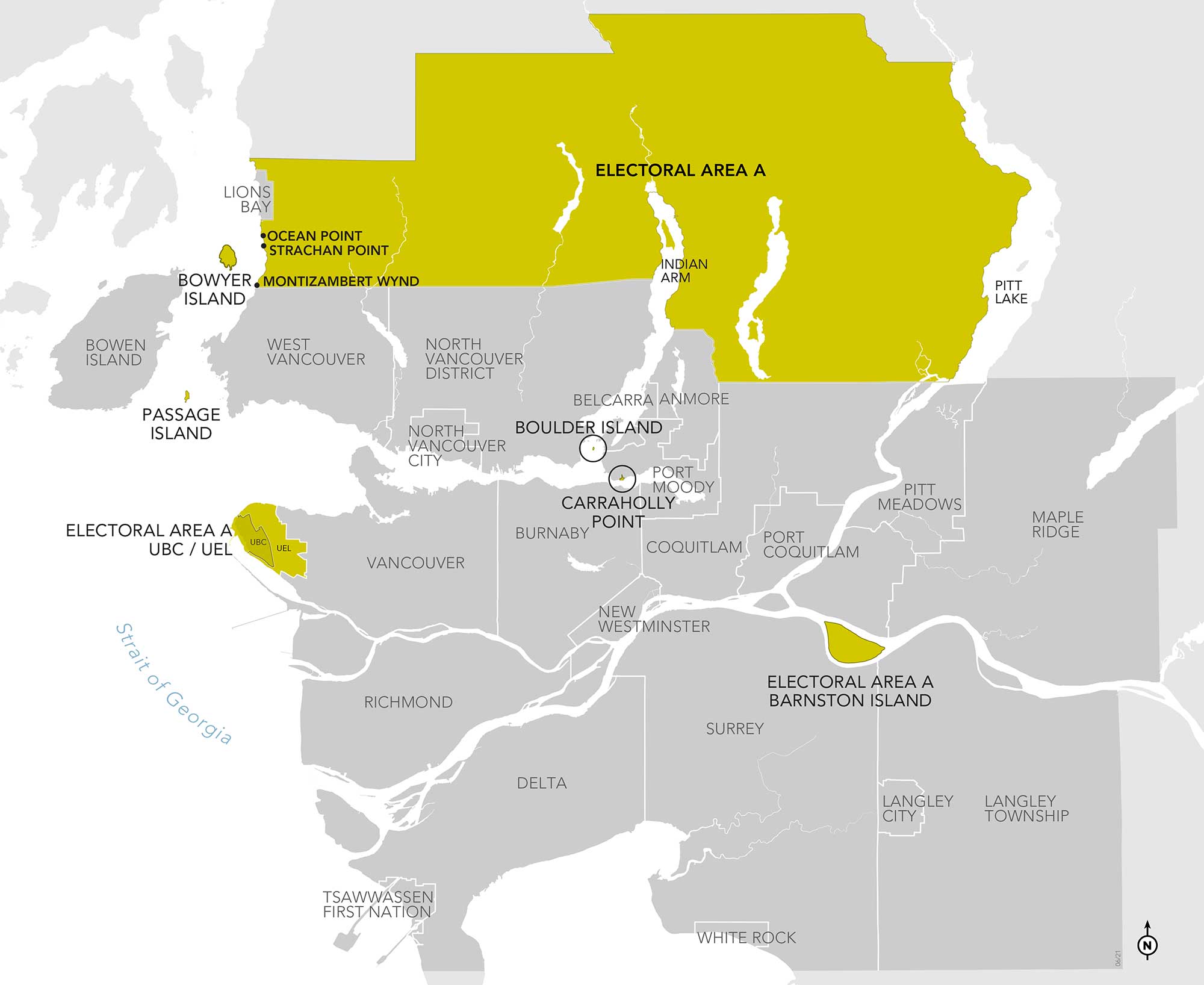
Campus residents will be voting for a new representative on Metro Vancouver’s Board of Directors when municipal elections take place this October.
Current Electoral Area A director Jen McCutcheon has held the position since 2019 and announced in May she will not be seeking re-election.
Electoral Area A is an unincorporated region of Metro Vancouver that includes UBC’s Point Grey campus, the University Endowment Lands (UEL), the area between Howe Sound and the west side of Pitt Lake, Carraholly Point and a number of small islands in the surrounding area.
The director – Electoral Area A’s only elected representative at the regional level – sits on the Metro Vancouver Board of Directors and the Mayors’ Council on Regional Transportation which oversees TransLink. As campus is an unincorporated area of Vancouver, its residents are not entitled to political representation on city council.
McCutcheon served as director for seven years, first elected to the role in a by-election in June 2019 and was subsequently re-elected in the 2022 municipal elections. Her current term concludes at the end of October.
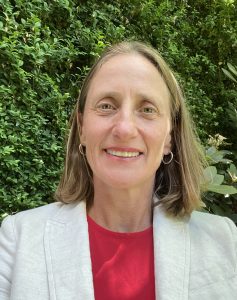
Reflecting on her time as director, she said some major highlights have been meeting and working with passionate and engaged members of the broader campus community, including the University Endowment Lands. On a regional level, she said she appreciated the opportunity to have a voice and vote at bodies such as the Metro Vancouver Regional District Board and TransLink’s Mayors’ Council for Regional Transportation.
“I care deeply about our region and our planet, and it was a privilege to be able to voice my opinions and to vote on issues that will shape the future of the region such as public transportation, air quality and climate action, and regional planning,” McCutcheon told The Campus Resident.
One of the biggest challenges she cited was not being able to participate fully in decision-making matters that affect the local community, as most of that work falls under the jurisdiction of UBC’s Board of Governors
“I found it important to develop strong relationships with various stakeholders to ensure that the needs and opinions of residents were heard,” McCutcheon said. “However, at the end of the day, the Electoral Director does not have direct say in most of the decisions made at the local level.”
As for some advice for a political hopeful looking to take of the director role, she said: “Public service can be both very rewarding and quite thankless.”
“Understanding the trade-offs and complexities of these decisions and contributing to how our region grows can be rewarding.”
“However, the current political environment – even locally – can sometimes feel a bit toxic, so having thick skin and a strong conviction about what one believes in is important.”
Once her term concludes, McCutcheon said she would like to continue working on projects that can have a positive impact on the community, particularly within the areas of public health, environmental protection, social justice, and keeping youth – particularly girls – involved in sports.
“It has been a privilege serving this community over the past seven years. I have enjoyed getting to meet residents and hear their concerns as well as what they love about this special corner of the region,” she said. “If anyone is interested in learning more about the role, I would be happy to connect.”
When campus residents vote for a new director, the rest of Vancouver will be voting for their mayor and 10 city councillors, as well as park commissioners and school board trustees.
Advanced voting days are scheduled for Oct 3,7,10,13, with general voting to take place on Oct 17.