
An explanation of the mission of UBC Properties Trust (UBCPT) should be considered in response to the letter to the editor (“Small Businesses Need More Support” The Campus Resident, October 2026) that stated UBCPT “… pursues short-term profitability over a long-term vision for a vibrant community”.
The UBC Endowment Fund was established in the early 1900s, stating land should be sold or leased to fund the creation of a university. The University Loan Act set aside around 1,400 hectares for residential development with the funds directed to a “University Endowment Account” to support the university’s growth.
Until the mid-80’s, the university did little with the lands granted to it and did not recognize the funding potential of the lands. Around that time, Bob Lee joined the university’s Board of Governors and the idea of creating a real estate property trust was approved. The trust was to be responsible for the development, construction, and management of all university projects.
It also recognized that the lands set aside years earlier could be used to increase the endowment fund and under the direction of the trust, UBCPT was established. The Board of Directors of the Trust were professionals in the real estate and development industry who “volunteered” in support of Mr. Lee’s vision.
The concept was to create residential development opportunities via 99 year leases, and to create an ongoing revenue stream for the University’s mission, as proceeds from development would flow directly back to the endowment. Hampton Place was the first UBCPT development that was completed with the proceeds of approximately $80 million directed to the University Endowment. At that time, the endowment fund was approximately $150 million. Today, the sale of leasehold interests has contributed to the fund and now surpasses a value of $3 billion. It must be pointed out that the funds are not going to UBCPT, but rather to the university to support UBC students, growth, and research.
The question that could be asked is: “Should the cost of purchasing or renting housing developed by UBCPT be reduced at the expense of reducing the funds that flow to the University’s Endowment Fund as originally contemplated by the University Loan Act?
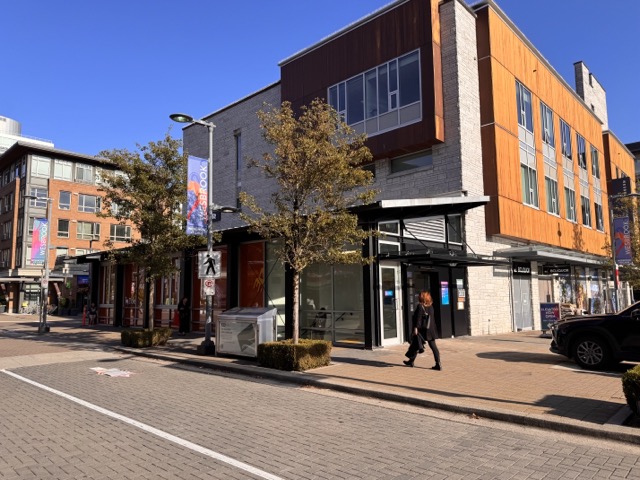
The letter also questions the nature of the commercial component of Wesbrook Place. As lands are developed for residential use, the problem arises of what services are necessary to support the growing community. It is an issue that all commercial developers face.
At UBC, the problem is complicated because the largest potential component of the market are university students. They currently have the opportunity to access their needs with the goods and services offered to them throughout campus.
That leads to the commercial offerings in residential areas such as Wesbrook Place, that primarily depend upon the much smaller residential population. Finding the right “mix” of commercial components for this smaller market is difficult at best.
Certainly the “corporate behemoths” do draw from the entire university campus and are therefore a valuable component of the larger community. But finding the smaller commercial activity that can be successful in a small market with established competition on campus is difficult. You can be assured that UBCPT would certainly be agreeable to having such tenants in Wesbrook.
This is perhaps an opportunity for the residents of Wesbrook through the UNA, UBCPT or other associations to provide suggestions that could create a more “vibrant community”.
JOE REDMOND, RESIDENT